Wind Against Tide: Why the Sea Gets Choppy and When to Avoid Small Boats
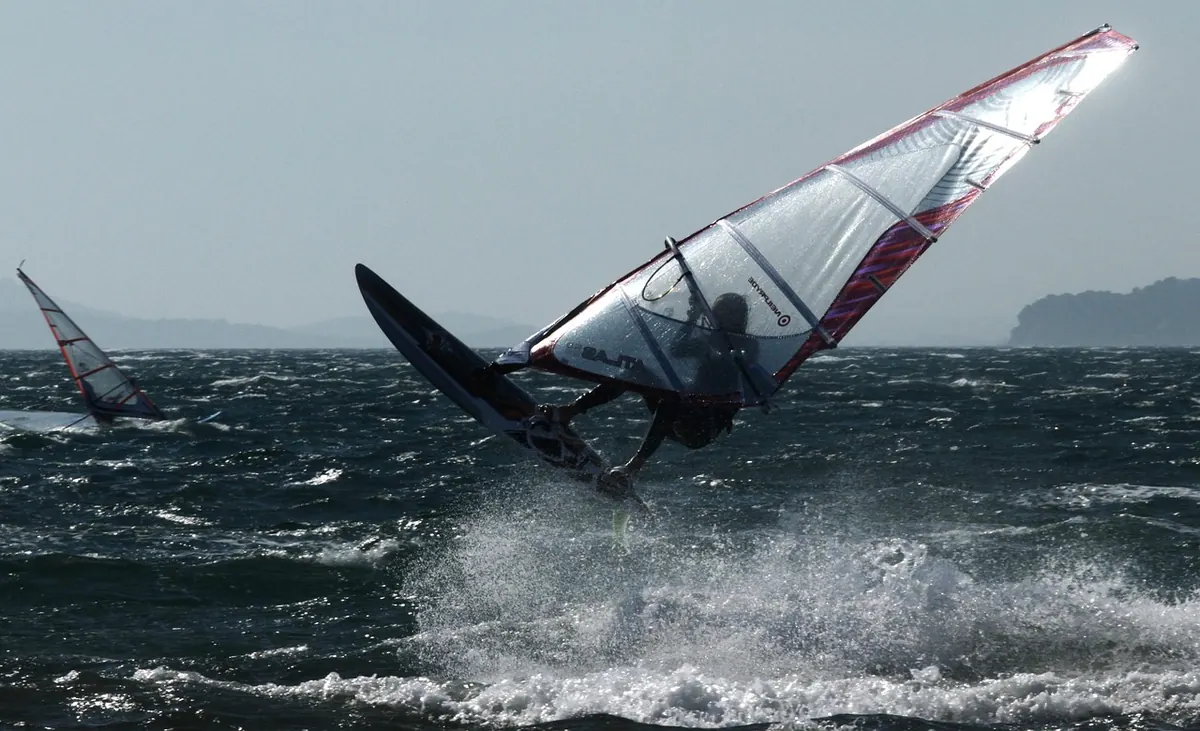
The forecast says Force 4 and the tide is running hard. On paper, that sounds manageable. Then you round the headland and the sea stands up in short, steep pyramids, white water hissing across the deck. When wind and water push in opposite directions, the sea becomes confused, choppy and—for a small boat—genuinely dangerous. Understanding wind against tide is one of the most useful bits of coastal knowledge you can carry.
Wind against tide happens when the wind blows in the opposite direction to the tidal stream. The tidal stream is the horizontal movement of water—the current that runs up and down an estuary, along a channel or around a headland. It is not the same as the rise and fall of the tide, although the two are linked. The stream has a direction and a rate, usually measured in knots.
When wind and stream run together, the sea tends to be flatter and the waves longer. The water is already moving with the wind, so there is less resistance. When they oppose each other, the wind keeps pushing waves in one direction while the current drags the surface water in the other. The result is a short, steep, closely spaced sea that can break unexpectedly.
Wind alone creates waves. A current running against those waves steepens their faces and shortens the distance between crests. Instead of rolling swells you get sharp, jagged chop. Even a moderate wind can produce a sea that feels far worse than the forecast height suggests. In shallow water, over sandbanks or near headlands, the effect intensifies. Add a strong ebb or flood and you get overfalls, races and breaking water.
Some places are notorious for wind against tide, but the principle applies anywhere with a decent tidal stream. Estuary mouths, harbour entrances, narrow channels, tidal races, headlands and sandbanks are all candidates. The worst combination is often a spring tide running hard against a fresh wind.
Small boats are especially vulnerable. Kayaks, dinghies, paddleboards, small RIBs and modest sailing yachts have limited freeboard, power and stability. They cannot punch through steep chop comfortably, and a breaking wave can swamp or capsize them. A sea that a large vessel shrugs off can be a serious threat to a small craft.
Check three things: wind, tidal stream and local shape. The forecast gives wind direction and speed. Tide tables give high and low water times, but you also need the tidal stream atlas or a reliable app that shows the direction and rate of the current. Local pilot books, harbourmasters and sailing clubs can tell you which states of tide are worst.
Use this checklist before any small-boat trip:
If the forecast is a fresh westerly and the tidal stream runs east through a channel, you have wind against tide. When the stream turns and runs west with the wind, the sea usually eases—but it can build again on the next turn.
Slack water can be deceptively calm. As the stream picks up in the opposite direction to the wind, the sea can go from manageable to nasty in a short time. Do not assume that a quiet start will last. Watch the rate of the stream and the wind together.
Look for opposition and escalation. If the wind is forecast to strengthen, or to veer or back into a direction that opposes the stream, expect the sea to build. If the tidal stream is due to increase towards maximum rate, the same applies. A strengthening wind against a strengthening stream is the combination to avoid.
As a rough guide for small boats: wind Force 4 or above against a tidal stream of two knots or more will produce steep, uncomfortable seas in exposed water. In some tidal races, even less wind can produce breaking water.
You can also read the sea from shore. Look for whitecaps, dark patches of disturbed water, or breakers at a harbour entrance. If the sea looks angry from a safe vantage point, it will look worse from a small boat.
Stay ashore or choose sheltered water when:
If you are already out and conditions worsen, keep the bow into the sea, reduce speed to maintain control, ensure everyone is wearing a lifejacket or buoyancy aid, and head for the nearest safe shelter. Avoid turning beam-on to steep chop. If a harbour bar is breaking, do not attempt to cross it unless you are confident and it is the only safe option. Calling the Coastguard on VHF for advice is sensible if you are unsure.
Wind against tide is not a reason to fear the sea, but it is a reason to plan. Before every trip, compare wind direction with tidal stream direction. Know when the stream turns. If the two are opposed and the wind is building, delay your trip, wait for slack water, or choose a sheltered stretch where the stream is weak. Small boats are brilliant in the right conditions. In wind-over-tide chop, they are out of their element.
Check the forecast, check the tide, and if in doubt, don't go out. The sea will still be there tomorrow.
Photo: dany1624 / Pixabay
Previous Post
The Shipping Forecast Explained: What Each Sea Area and Warning Means for Coastal Days
Next Post
Best UK Beaches for Rock Pooling: A Beginner's Seasonal Guide