Spring vs Neap Tides: What They Mean for Beach Days and Boat Launches
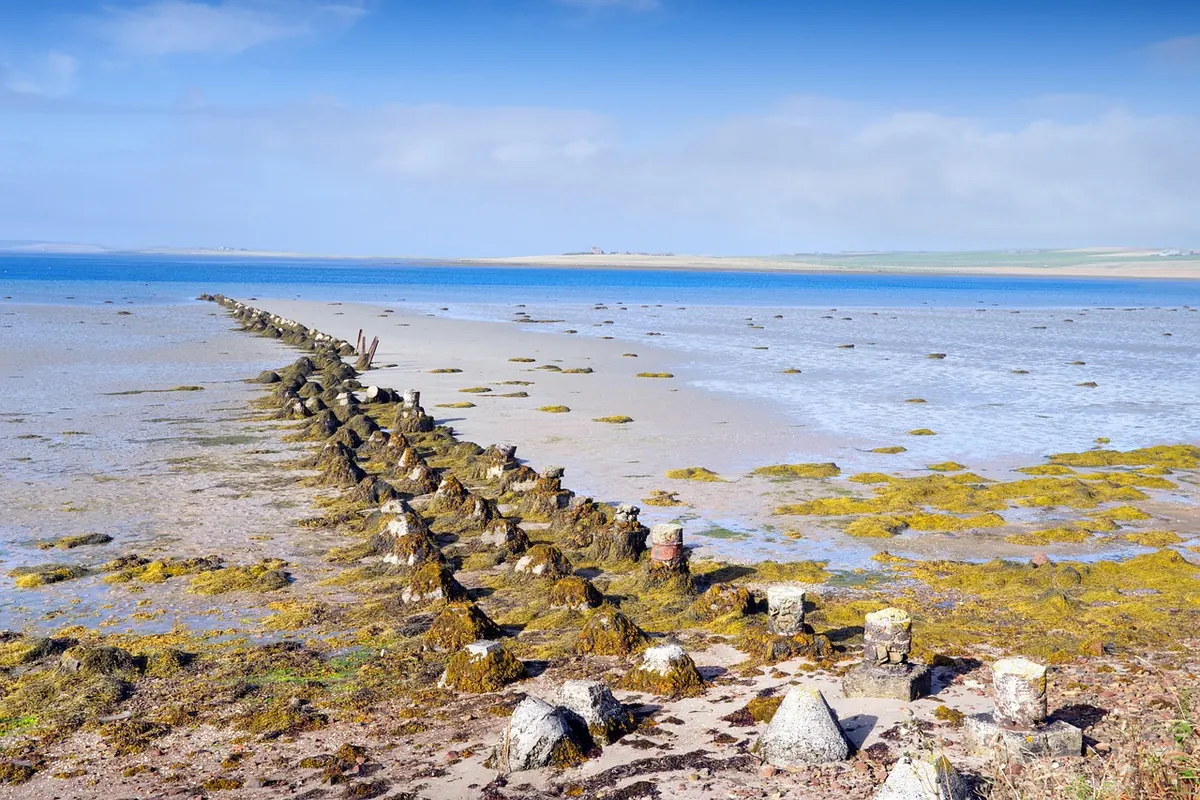
Two Saturdays, same beach, same two hours either side of low water. One week the sand runs past the last groyne and the rock pools are full; a fortnight later the sea barely retreats beyond the shingle. Nothing has changed except the tide's range — the gap between high and low water — and that is decided by where the Moon happens to be. Getting to grips with spring and neap tides is the single most useful thing you can do before a beach day or a slipway launch.
As the Moon orbits, the Sun and Moon line up at new moon and again at full moon. Their pulls on the ocean add together, the tidal range reaches its maximum, and you get spring tides. The name has nothing to do with the season; springs arrive roughly every fortnight, all year round.
When the Moon sits at right angles to the Sun, around the first and third quarters, those pulls partly work against each other. The range shrinks and you get neap tides. Springs and neaps alternate in a fortnightly rhythm, and on many coasts the largest and smallest tides arrive a day or so after the exact moon phase.
Most people check when high tide is and leave it there. The range is what changes your day. UK tide tables usually list heights in metres above chart datum, a level close to the lowest water that can reasonably be expected. Subtract the day's low water height from the high water height and you have your range.
A spring high may stand a metre or more above a neap high, with a spring low correspondingly lower. Notice that both ends move: springs push high water up and low water down, while neaps squeeze the whole thing into a narrower band.
The shape of the curve matters too. The tide moves slowly near high and low water, and quickest around mid-tide. The old rule of twelfths — one twelfth of the range in the first hour after slack, two in the second, three in the third, then three, two and one — is a decent rough guide to how much water is over a slipway or a causeway at any given moment.
Springs and neaps give you quite different beaches, and knowing which one you are heading into prevents most disappointments.
Rock pooling is, in practice, a spring-tide activity. The lower shore — the zone with the most life on it — only dries out on the biggest lows, so aim for a spring low that falls in daylight and hope for calm weather. The lowest tides of a spring sequence often arrive two or three days after the new or full moon, so if you can be flexible, pick one of those.
Arrive an hour before low water and start heading back as the flood begins. Around springs the water can come in quickly at mid-tide, faster than people expect on flat sand. Wear something with grip for wet weed, never turn your back on the sea, and leave creatures where you find them: turn a stone back as you found it, and keep hands wet and cool if you do handle anything.
A slipway is tide-dependent infrastructure, and the range decides whether you can use it.
At a spring high there is the most water over the slipway end, which is good news for deeper keels and for launching and recovering on the same tide. Aim for slack water around high tide, when the current is weakest and the level is at its brief peak. At a spring low the opposite problem appears: the water may have retreated well beyond the end of the slipway, leaving you looking at weed and mud.
Neap tides catch people out in both directions
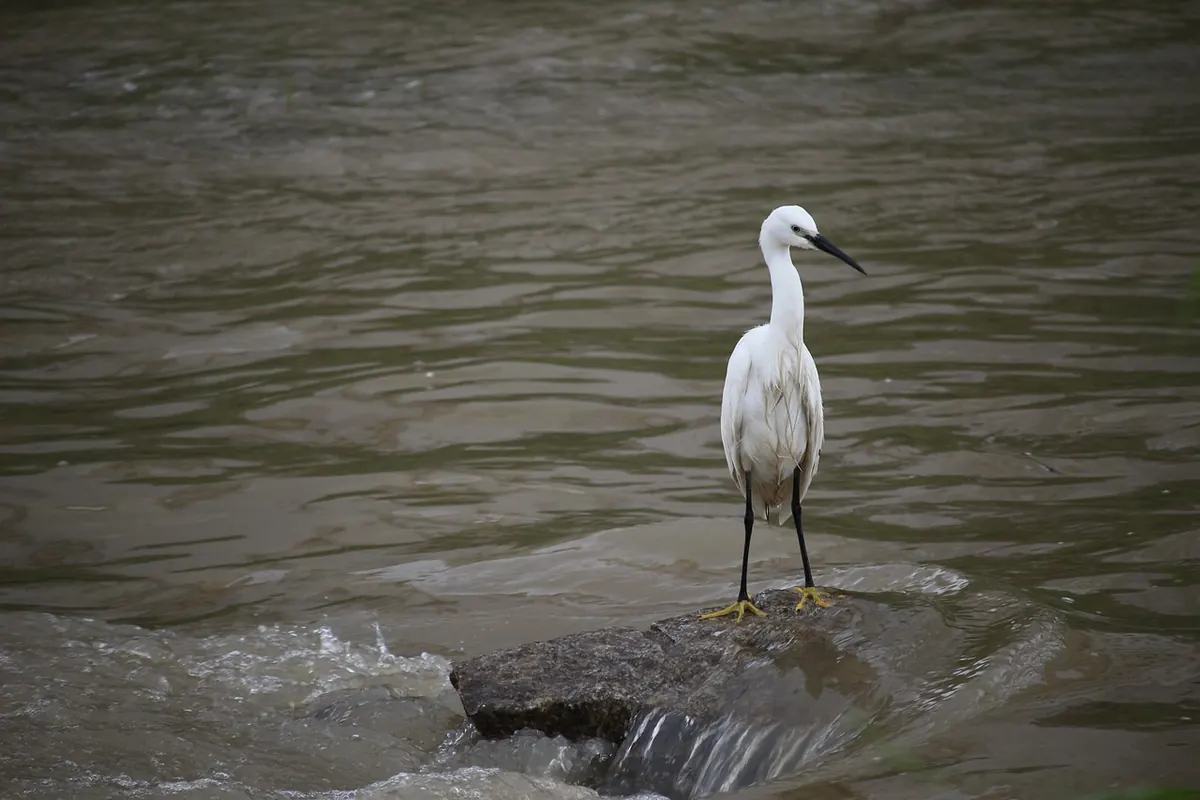
Photo: It_was_a_pleasure / Pixabay
Previous Post
How to Read a UK Tide Table: A Beginner's Guide to Times, Heights and Curves
Next Post
Tide Times for Rock Pooling: How to Find the Safest Low-Water Window